
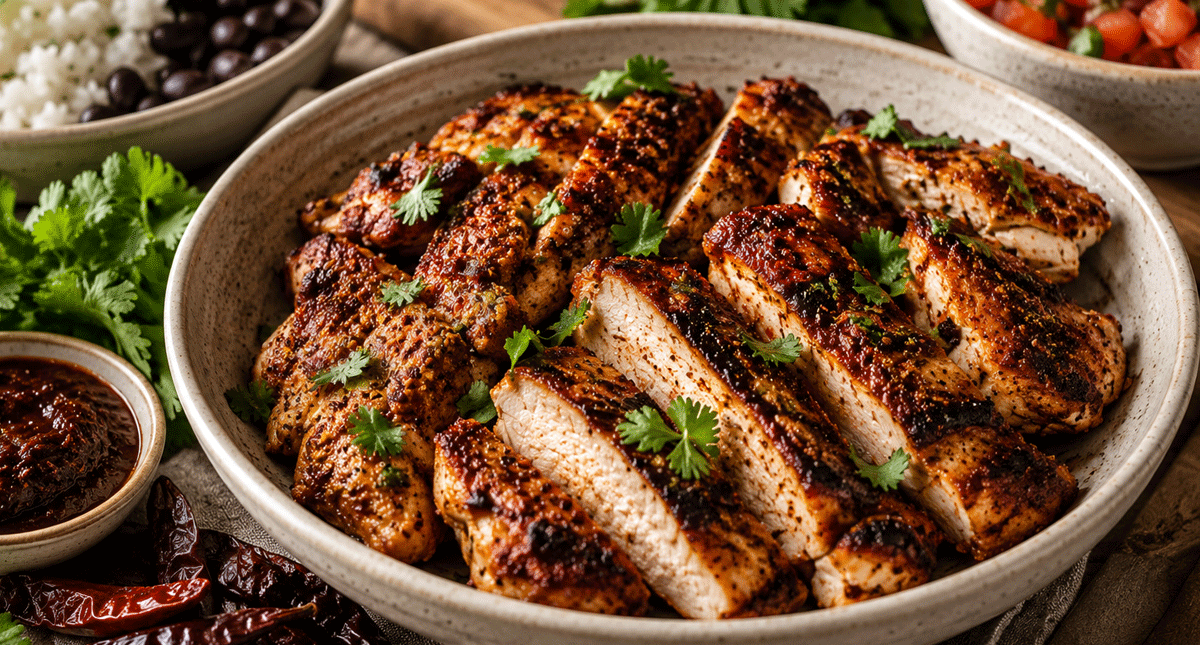
Chipotle Chicken Recipe: Smoky, Juicy & Easy Chicken for Any Meal
There’s something about the smoky, spicy kick of chipotle peppers that turns an ordinary weeknight dinner into something worth talking about. This chipotle chicken recipe brings together tender, juicy chicken with the deep, smoky heat of chipotle peppers in adobo sauce, creating a flavor combination that feels both comforting and bold at the same time. Whether you’re cooking for a busy family or just craving something with a little more character than plain grilled chicken, this dish delivers.
What makes this recipe so appealing is how simple it actually is to pull off. A handful of pantry staples, a good marinade, and a bit of patience are all you really need. The chipotle peppers do most of the heavy lifting, infusing the chicken with a rich, earthy heat that pairs beautifully with lime, garlic, and a touch of honey to balance things out.
You can grill it, bake it, or sear it on the stovetop, and it works just as well tucked into tacos as it does served over rice or alongside a fresh salad. Once you try it, this chipotle chicken recipe might just become your new go-to.
Ingredients for Chipotle Chicken Recipe
| Ingredient | Purpose |
|---|---|
| Chicken thighs or breasts | Base protein |
| Chipotle peppers in adobo | Smoky heat |
| Adobo sauce | Tangy depth |
| Garlic | Savory backbone |
| Fresh lime juice | Brightness, tenderizes |
| Olive oil | Moisture, helps spices stick |
| Ground cumin | Warmth |
| Dried oregano | Earthiness |
| Smoked paprika | Extra smokiness |
| Chili powder | Depth of heat |
| Salt and black pepper | Seasoning balance |
The heart of this dish starts with good chicken. Boneless, skinless chicken thighs are my go-to because they stay juicy and forgiving even if you cook them a minute too long, but chicken breasts work just as well if you prefer a leaner cut. Either way, choose pieces that are roughly even in thickness so they cook uniformly.
Chipotle peppers in adobo sauce are the real star here. These smoked, dried jalapeños packed in a tangy, slightly sweet sauce bring that unmistakable smoky heat that defines the whole recipe. A little goes a long way, so don’t be afraid to start small and adjust to your spice tolerance.
Speaking of the sauce, don’t skip the adobo itself. It’s loaded with flavor from vinegar, tomato, and spices, and spooning some directly into your marinade rounds out the smokiness with a nice tang.
Garlic and fresh lime juice add brightness and depth. Garlic brings that savory backbone, while lime cuts through the richness and helps tenderize the chicken as it marinates. Olive oil ties everything together, helping the spices cling to the meat and keeping it moist while cooking.
The dry spices — ground cumin, dried oregano, smoked paprika, and chili powder — build layers of warmth and earthiness that complement the chipotle without overpowering it. Smoked paprika especially reinforces that campfire-like smokiness. Finish everything with salt and black pepper to taste, and you’ve got a marinade that’s simple but packed with flavor.
How to Make Chipotle Chicken Recipe
Making this dish comes down to four simple stages: building a smoky marinade, giving the chicken time to soak up flavor, cooking it properly, and letting it rest before slicing. None of these steps are complicated, but each one plays a real role in how juicy and flavorful your final chicken turns out.
Step 1: Prepare the Chipotle Marinade
Start by blending or finely chopping the chipotle peppers so their smoky flavor spreads evenly throughout the marinade rather than sitting in one concentrated bite. A food processor or blender works fastest, but a sharp knife and a little patience do the job just as well if you don’t mind a slightly chunkier texture.
Once the peppers are ready, combine them with the adobo sauce, minced garlic, fresh lime juice, olive oil, and your dry spices in a mixing bowl. The adobo sauce reinforces that tangy smokiness, while the lime juice adds brightness and helps everything blend into a cohesive marinade rather than separate layers of flavor.
Whisk or stir the mixture thoroughly until it becomes a smooth, well-combined paste. You’re looking for a consistency that coats the back of a spoon without being watery. If it feels too thick, a splash more olive oil or lime juice loosens it up nicely. This marinade is really the flavor engine of the entire recipe, so take an extra minute here to make sure everything is evenly incorporated.
Step 2: Marinate the Chicken
Once your marinade is ready, place the chicken in a large bowl or a resealable bag and pour the marinade over it. Use your hands or a spoon to coat every piece evenly, making sure the mixture gets into any folds or thicker parts of the meat. This ensures consistent flavor in every bite rather than just on the surface.
Cover the bowl or seal the bag, then refrigerate. For the best balance of flavor and texture, aim for at least 30 minutes if you’re short on time, though 2 to 4 hours delivers noticeably deeper flavor. If you want to prep ahead, marinating overnight works well too, especially with chicken thighs, which hold up better to longer marinating times than breasts.
That said, more isn’t always better. Because the marinade contains citrus and acidic adobo sauce, leaving the chicken in it for too long, especially beyond 24 hours, can start to break down the texture and make the meat mushy rather than tender. A good rule of thumb is to stay within the 2 to 8 hour window for the best results without compromising texture.
Step 3: Cook the Chicken
When you’re ready to cook, heat a skillet, grill, or grill pan over medium-high heat. Give it a few minutes to properly heat up before adding the chicken, since a hot surface helps create that beautiful caramelized crust while locking in the juices. Add a light drizzle of oil to the pan or grates if needed to prevent sticking.
Place the chicken pieces down without overcrowding the pan, giving each one enough space to sear properly rather than steam. Let them cook undisturbed for a few minutes until a golden-brown crust forms, then flip and continue cooking on the other side. Turn the chicken occasionally rather than constantly, which helps develop even browning on all sides.
Cooking time will vary depending on the thickness of your chicken and the cooking method you choose, but the most reliable way to know it’s done is by checking the internal temperature. Insert a meat thermometer into the thickest part of the chicken and look for a reading of 165°F. This guarantees the chicken is fully cooked and safe to eat without drying it out from overcooking.
Step 4: Rest and Slice
Once your chicken reaches the right temperature, resist the urge to slice into it right away. Transfer it to a cutting board or plate and let it rest for about 5 minutes. This resting period allows the juices, which get pushed toward the center during cooking, to redistribute throughout the meat, resulting in a juicier, more flavorful bite.
After resting, slice the chicken against the grain. This means cutting perpendicular to the direction of the muscle fibers, which shortens them and makes each piece more tender to chew. Slicing with the grain instead can leave the chicken feeling tougher, even if it’s cooked perfectly.
Finally, spoon any leftover juices from the cutting board back over the sliced chicken before serving. Those juices are packed with all the smoky, savory flavor that cooked out of the meat, and drizzling them back on ties the whole dish together for a final touch of richness.
Tips for the Best Chipotle Chicken Recipe
If you want the juiciest results, reach for chicken thighs instead of breasts. Their higher fat content keeps them moist even if they spend a little extra time on the heat, making them more forgiving for anyone still getting comfortable with cook times.
Whatever you do, don’t skip the adobo sauce. It’s easy to think of it as just the liquid the peppers sit in, but it carries so much of the tangy, savory depth that makes this dish stand out. Leaving it out means missing a real layer of flavor.
Balance is everything with this recipe. The smokiness from the chipotle, the heat from the peppers, and the acidity from the lime juice all need to work together rather than compete. Taste your marinade before adding the chicken, and adjust with a little extra lime or a pinch more spice until it feels well-rounded.
When it’s time to cook, give the chicken room to breathe in the pan. Overcrowding traps steam and prevents that golden, slightly charred crust from forming, leaving you with pale, unevenly cooked pieces instead of a proper sear.
Patience matters after cooking too. Letting the chicken rest for a few minutes before slicing keeps those flavorful juices locked inside instead of spilling out onto the cutting board the moment you cut in.
Finally, treat the chipotle peppers as adjustable rather than fixed. If you’re sensitive to heat, start with one pepper and taste as you go. If you love bold spice, add more along with extra adobo sauce for an even deeper kick tailored exactly to your taste.
Chipotle Chicken Recipe Variations
One of the best things about this recipe is how easily it adapts to different taste preferences. With a few small tweaks, you can turn the same base marinade into several distinct versions, each with its own personality while keeping that signature smoky flavor at the core.
For a milder take, simply reduce the number of chipotle peppers and rely more on the adobo sauce for flavor without the intense heat. This version is perfect for kids or anyone who wants that smoky depth without the spice overwhelming the dish.
On the other end of the spectrum, spicy chipotle chicken leans into the heat by adding extra chipotle peppers, a pinch of cayenne, or even a dash of hot sauce to the marinade. This variation is ideal for those who genuinely love bold, fiery flavors and want the chipotle to take center stage.
If bright, tangy notes are more your style, try chipotle chicken with extra lime. Doubling the lime juice and adding a bit of fresh zest brightens the whole dish, cutting through the richness and giving it a refreshing, citrusy edge that pairs beautifully with grilled preparations.
For a touch of sweetness, honey chipotle chicken blends a spoonful or two of honey into the marinade. The sweetness balances the smoky heat perfectly, creating a sticky, caramelized glaze as the chicken cooks, especially delicious when grilled or broiled.
Lastly, creamy chipotle chicken takes things in a completely different direction by stirring a bit of sour cream, Greek yogurt, or heavy cream into the sauce after cooking. This creates a rich, velvety texture that mellows the spice while keeping all that smoky flavor intact.
What to Serve with Chipotle Chicken
| Side Dish | Why It Works |
|---|---|
| Cilantro-lime rice | Light, citrusy balance |
| Mexican-style rice | Hearty, savory depth |
| Black beans | Earthy, creamy texture |
| Pinto beans | Mild, filling protein |
| Grilled vegetables | Adds smoky char |
| Corn salsa | Bright, sweet crunch |
| Guacamole | Cools the spice |
| Pico de gallo | Fresh, tangy contrast |
| Tortilla chips | Crunchy scooping side |
Once your chipotle chicken is ready, the right sides can turn it from a simple dinner into a full spread worth gathering around. Since the chicken carries so much smoky, spicy flavor, it pairs beautifully with sides that either complement or cool down that heat.
Cilantro-lime rice is a natural match, offering a light, herby freshness that balances the richness of the chicken. The citrus notes in the rice echo the lime already in the marinade, tying the whole plate together. Mexican-style rice works just as well if you’re after something heartier, with its tomato base and warm spices adding another layer of savory depth.
Beans are another easy addition that round out the meal. Black beans bring a slightly earthy flavor and creamy texture, while pinto beans offer a milder, more neutral base that lets the chicken’s smokiness shine. Either option adds protein and fiber, making the plate more filling without much extra effort.
For something with a bit of char and freshness, grilled vegetables are hard to beat. Peppers, zucchini, and onions cooked alongside the chicken pick up similar smoky notes, creating a cohesive flavor across the whole plate.
Fresh toppings like corn salsa and pico de gallo add brightness and crunch that contrast nicely with the tender chicken. Guacamole, with its cool, creamy texture, is especially good at balancing out any heat from the chipotle, while tortilla chips on the side add a satisfying crunch, perfect for scooping up salsa or guacamole between bites.
Frequently Asked Questions (FAQs)
Can I Use Chicken Breast Instead Of Chicken Thighs?
Yes, you can absolutely use chicken breast instead of thighs if that’s what you prefer or have on hand. Breasts are leaner, so they’ll give you a slightly different texture than the juicier, more forgiving thighs, but they still soak up the chipotle marinade beautifully.
Just keep in mind that chicken breasts cook faster and can dry out more easily since they have less fat. Watch your cooking time closely and pull them off the heat as soon as they hit a safe internal temperature. Pounding the breasts to an even thickness before marinating also helps them cook more evenly and stay tender.
How Long Should I Marinate Chipotle Chicken?
For the best flavor, you’ll want to marinate your chicken for at least 30 minutes, though 2 to 4 hours gives you a much deeper, more developed taste. If you have time to plan ahead, marinating overnight works especially well, particularly with chicken thighs, which can handle longer marinating times without losing their texture.
That said, you shouldn’t leave the chicken in the marinade for much longer than 24 hours. Because the marinade contains lime juice and acidic adobo sauce, extended exposure can start breaking down the proteins too much, leaving you with a mushy texture instead of tender, juicy chicken.
Is Chipotle Chicken Very Spicy?
The spice level really depends on how many chipotle peppers you use and how sensitive you are to heat. Chipotle peppers do carry a noticeable smoky heat, but it’s not overwhelming when used in moderate amounts, especially when balanced with lime juice, honey, or a bit of cream.
If you’re worried about it being too spicy, you can easily scale back the number of peppers and rely more on the adobo sauce for flavor without as much heat. On the flip side, if you love bold spice, adding extra peppers or a pinch of cayenne can turn up the intensity to your liking.
Can I Make Chipotle Chicken Without A Grill?
Definitely. While grilling adds a nice smoky char, this recipe works just as well on a stovetop skillet or grill pan. A cast iron skillet is a great option since it gets hot enough to create a similar sear and caramelized crust on the chicken.
You can also bake the chicken in the oven if you’d rather avoid stovetop cooking altogether. Just place the marinated chicken on a lined baking sheet and cook at a moderate temperature until it reaches a safe internal temperature, flipping halfway through for even browning.
How Do I Know When Chipotle Chicken Is Fully Cooked?
The most reliable way to check doneness is with a meat thermometer. Insert it into the thickest part of the chicken, and once it reads 165°F, you know it’s fully and safely cooked. This method takes the guesswork out of cooking and helps you avoid both undercooked and overcooked chicken.
If you don’t have a thermometer handy, you can also check by cutting into the thickest part of the chicken. The juices should run clear rather than pink, and the meat should no longer look translucent in the center.
Can I Freeze Cooked Chipotle Chicken?
Yes, cooked chipotle chicken freezes really well, making it a great option for meal prep. Once the chicken has cooled completely, place it in an airtight container or freezer bag, removing as much air as possible to prevent freezer burn.
Stored properly, it should stay good in the freezer for up to three months. When you’re ready to eat it, thaw it in the refrigerator overnight and reheat gently on the stovetop or in the microwave to help retain as much moisture as possible.
What Can I Use Instead Of Chipotle Peppers In Adobo Sauce?
If you can’t find chipotle peppers in adobo sauce, there are a few solid substitutes you can try. Smoked paprika combined with a bit of cayenne or chili powder can mimic that smoky heat, though it won’t have quite the same depth of flavor.
Another option is chipotle powder, which offers a more concentrated version of the same smoky spice without the sauce component. You may need to add a splash of vinegar or tomato paste separately to replicate the tanginess that the adobo sauce normally provides.
How Long Does Chipotle Chicken Last In The Refrigerator?
Once cooked, chipotle chicken will typically stay fresh in the refrigerator for three to four days when stored in an airtight container. Make sure it cools to room temperature before sealing it up to avoid trapping excess moisture, which can speed up spoilage.
If you’re storing marinated raw chicken before cooking, it’s best to cook it within one to two days for optimal freshness and food safety. Always give it a quick smell and visual check before cooking or reheating if it’s been sitting for a few days.
Conclusion
There’s a reason this dish keeps finding its way back into regular dinner rotations. Smoky, slightly spicy, and packed with bold flavor, it turns a handful of simple ingredients into something that feels special without requiring hours in the kitchen. Whether you stuck to the classic version or tried one of the variations, this chipotle chicken recipe proves that big flavor doesn’t have to mean complicated cooking.
What makes it so versatile is how well it fits into different meals throughout the week. Serve it over rice one night, tucked into tacos the next, or alongside grilled vegetables for something lighter. The marinade does most of the work, so once you’ve got the basics down, you can easily adjust the spice level and pairings to match whatever you’re in the mood for.
At the end of the day, good food should feel approachable, and that’s exactly what this recipe delivers. Give this chipotle chicken recipe a try, and it just might become one of those meals you find yourself making again and again.